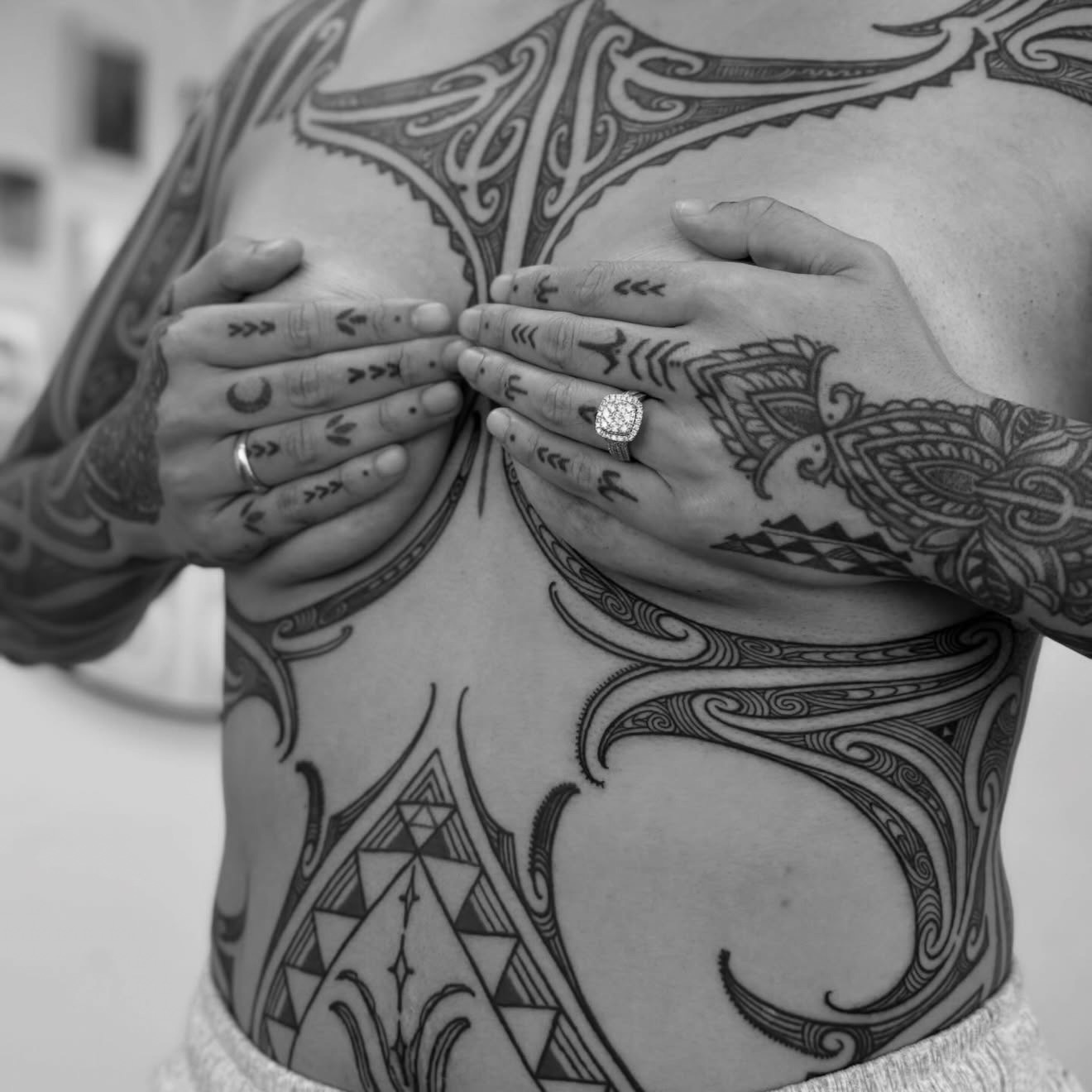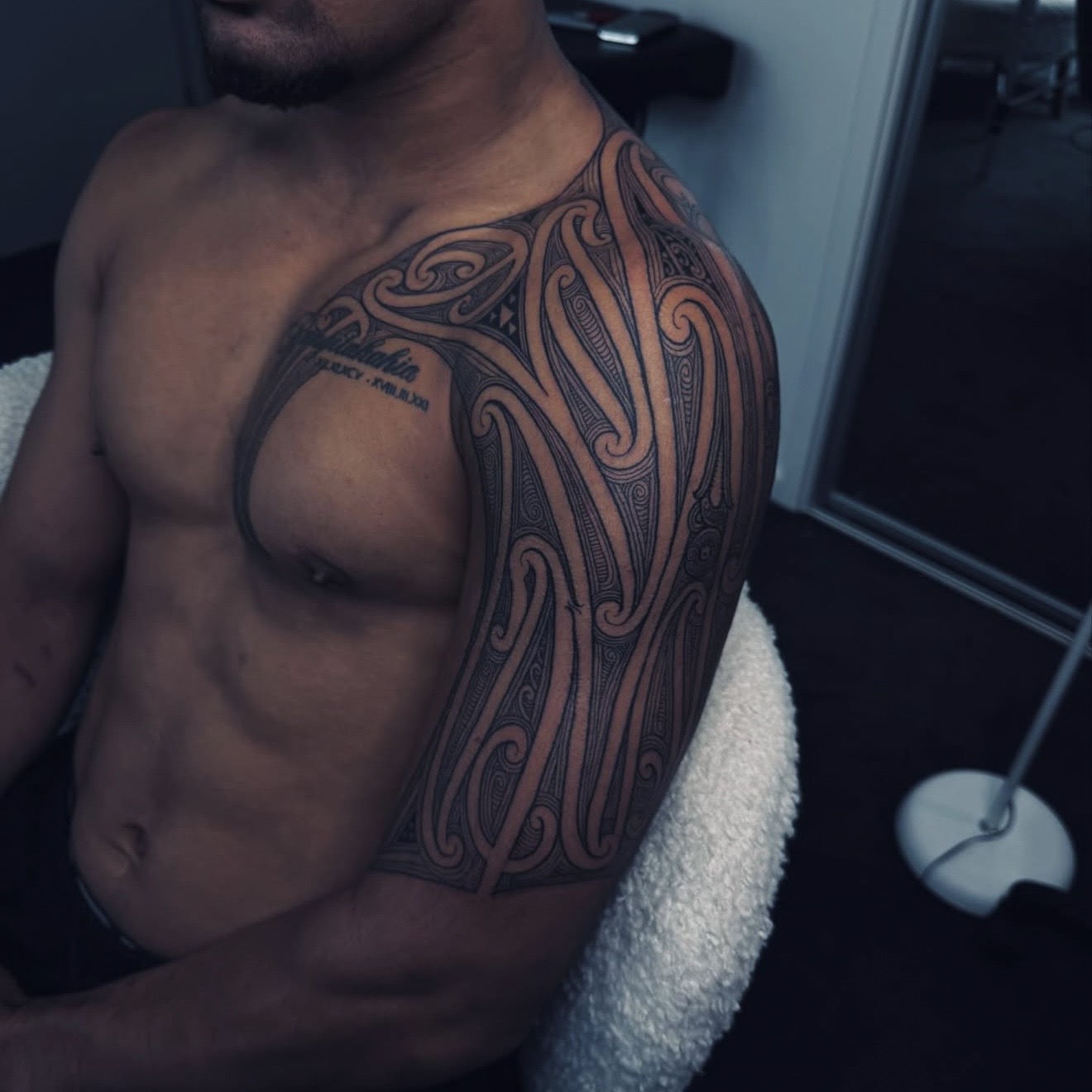
Tā moko
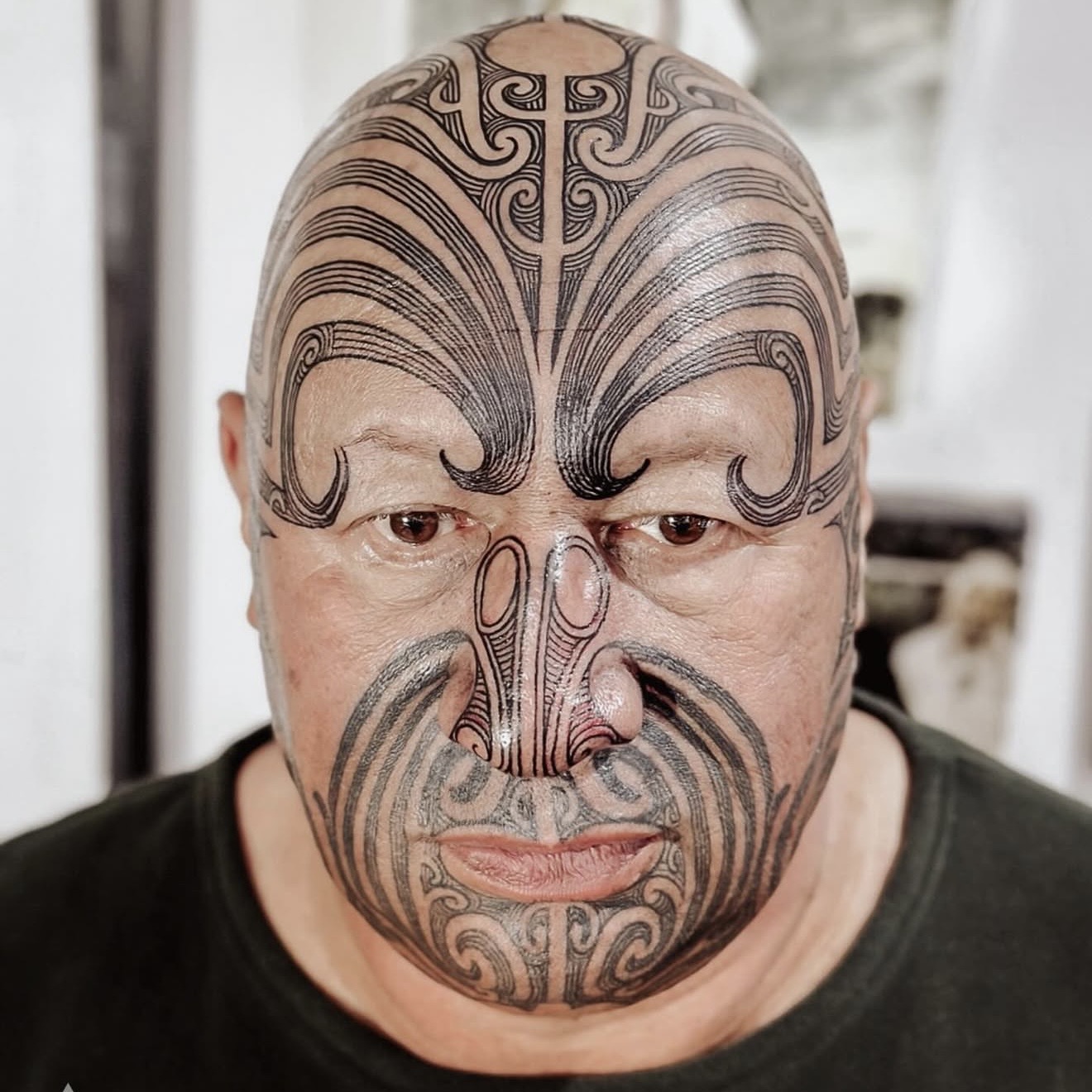
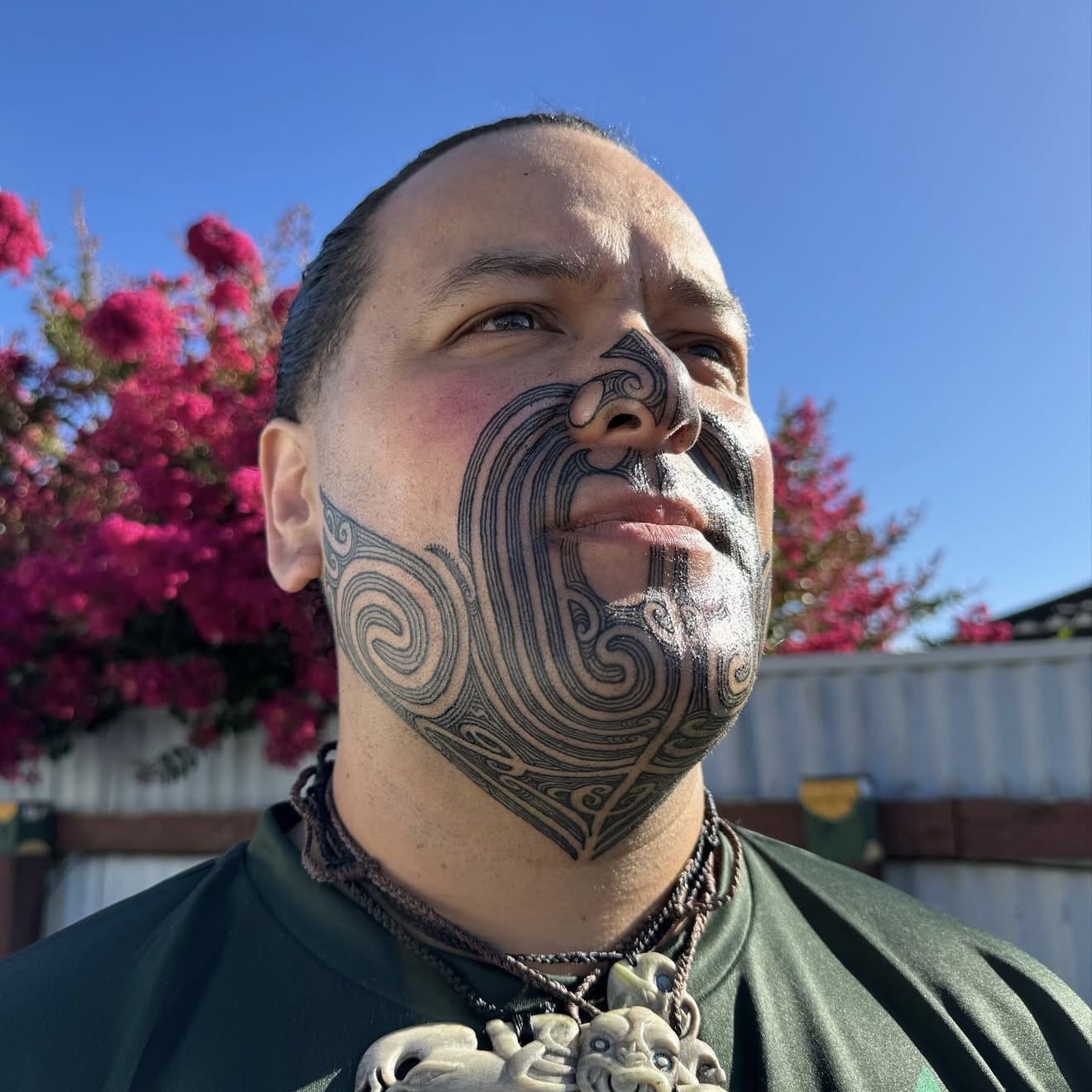
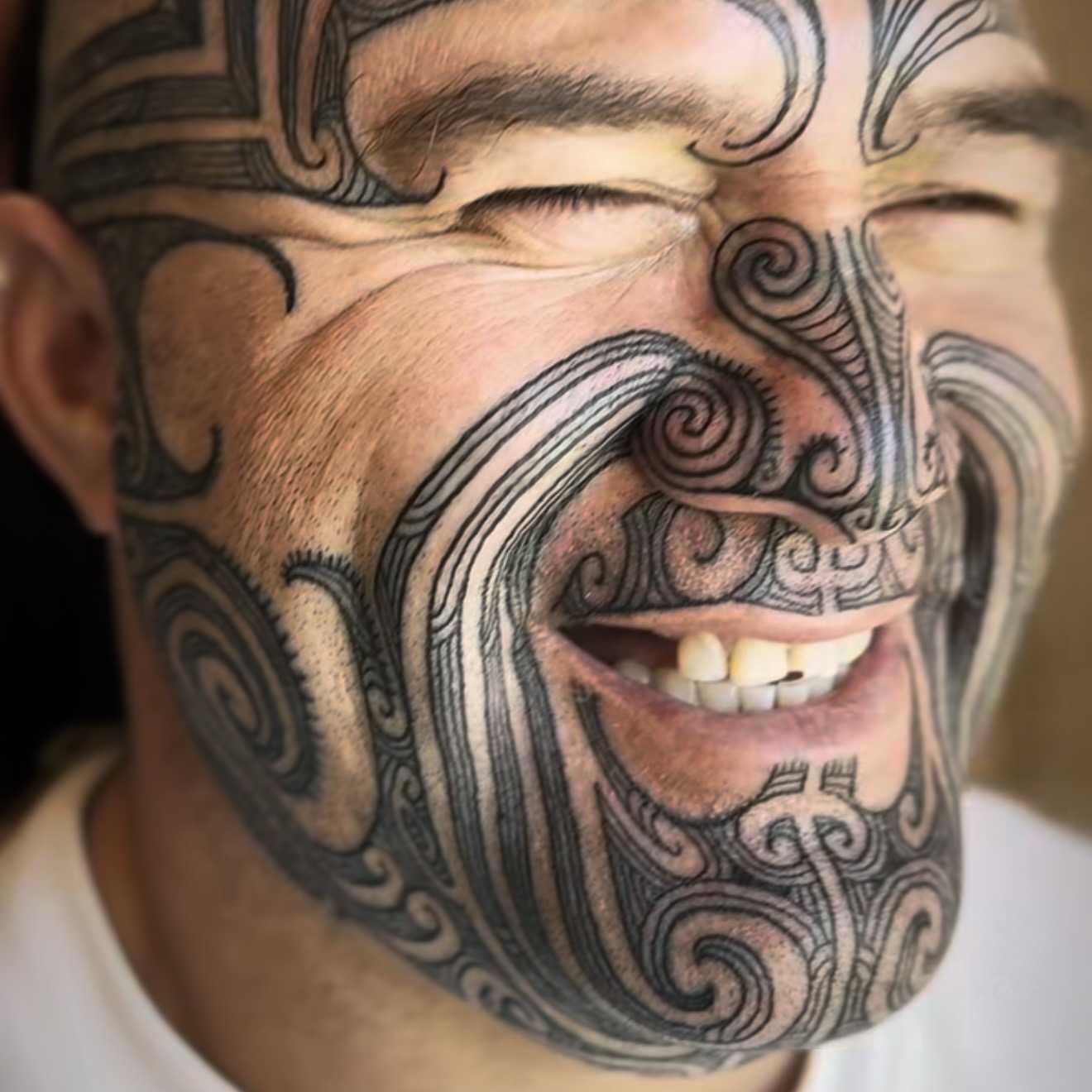
Māori, Aotearoa, New ZealandCarved, not punctured. The face that tells the lineage.
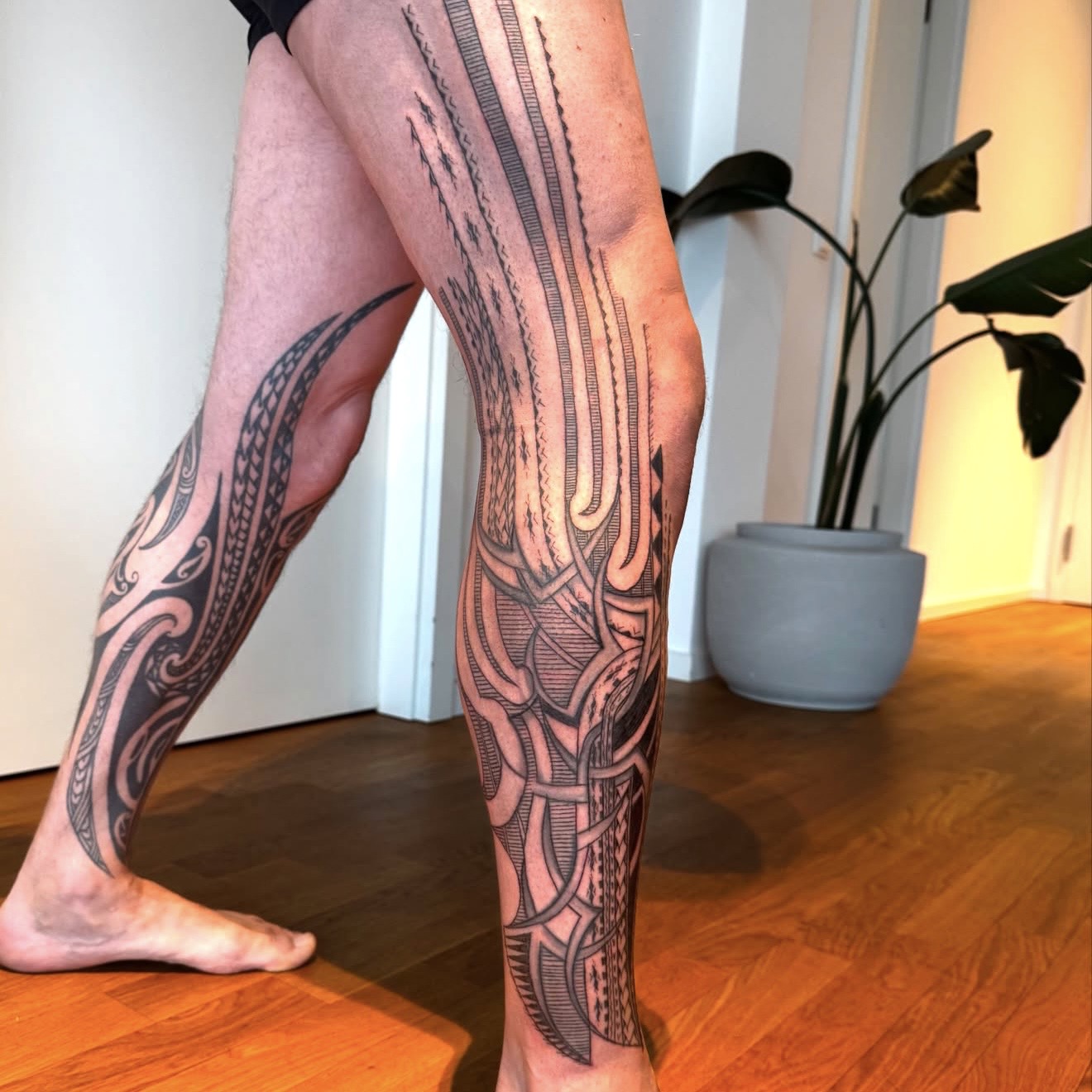
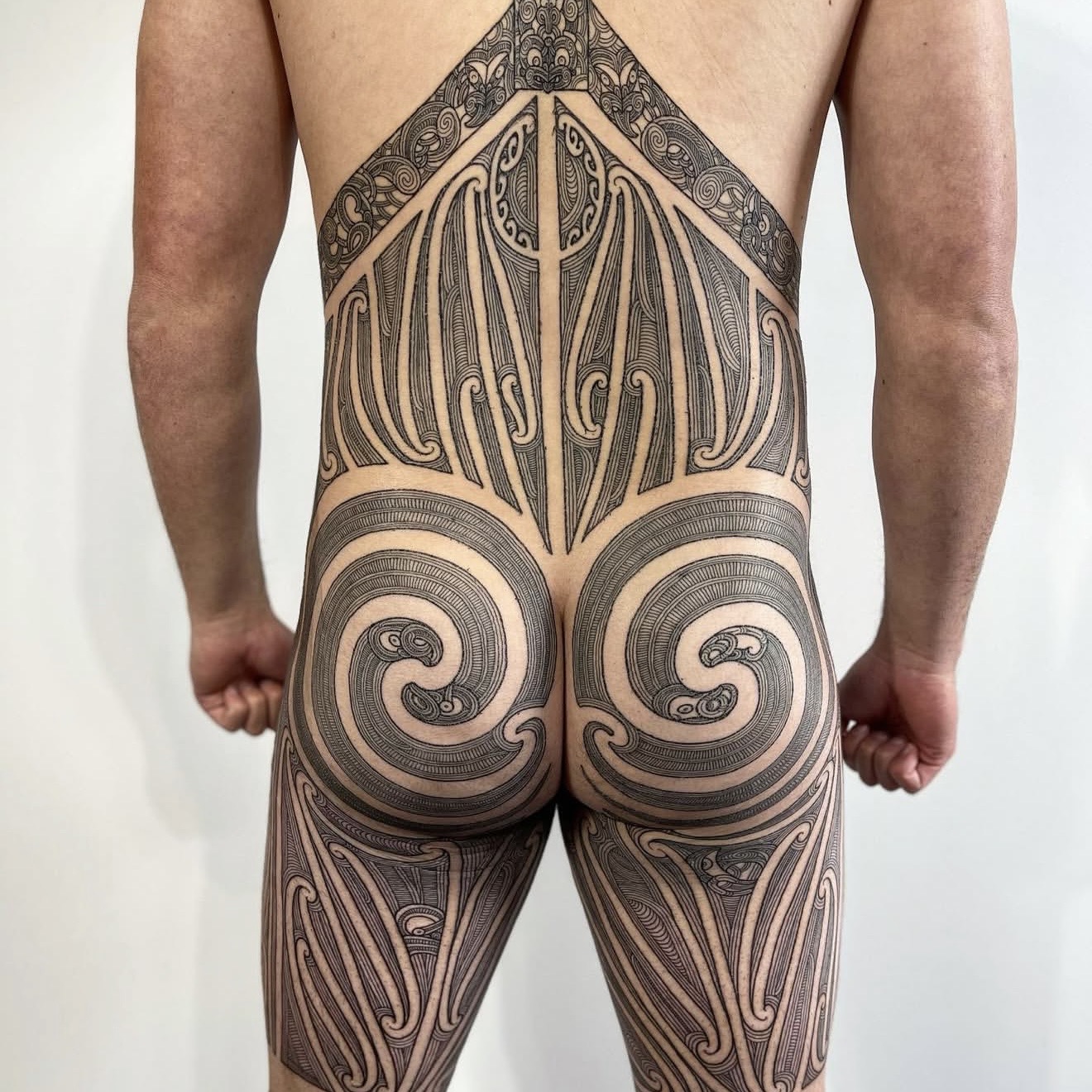
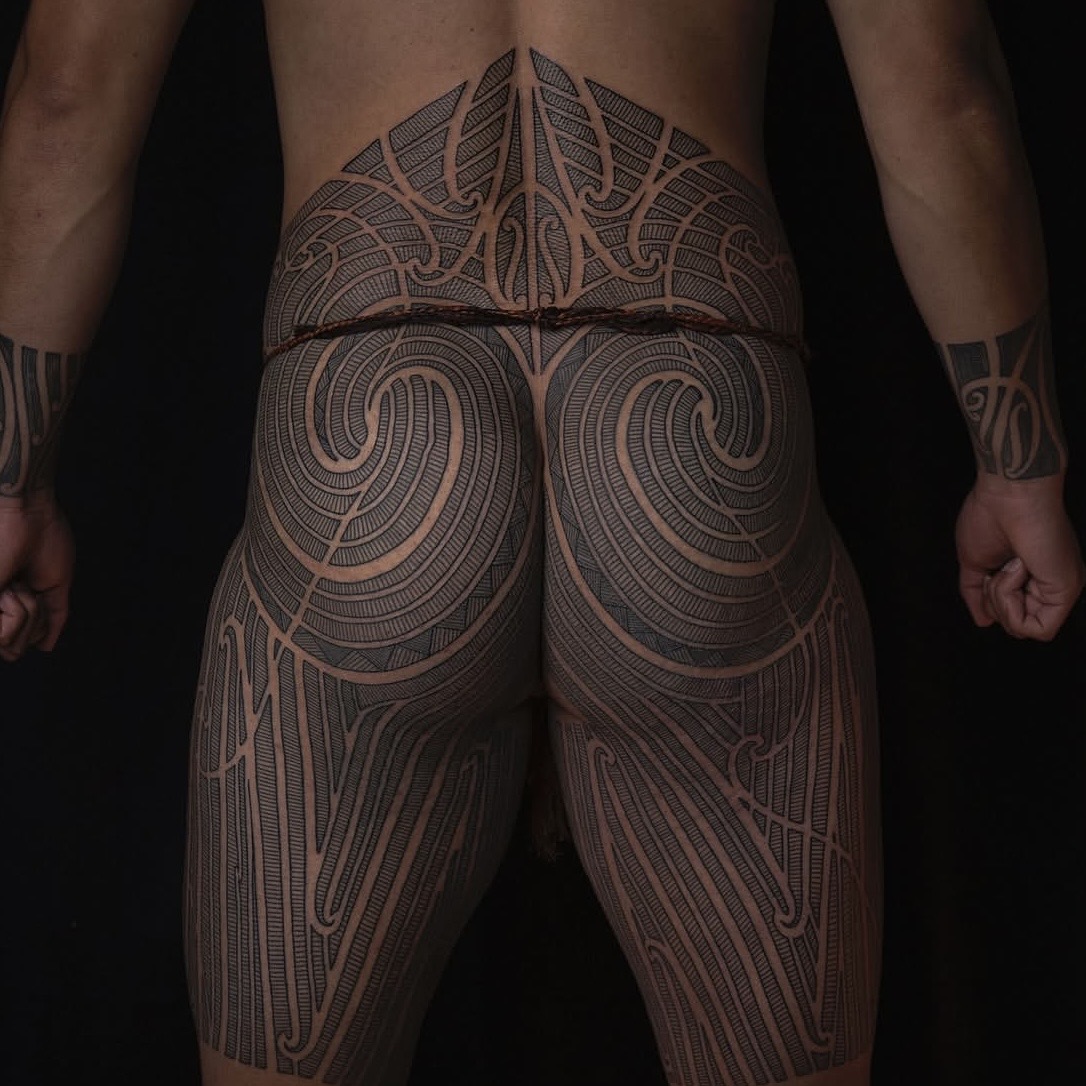
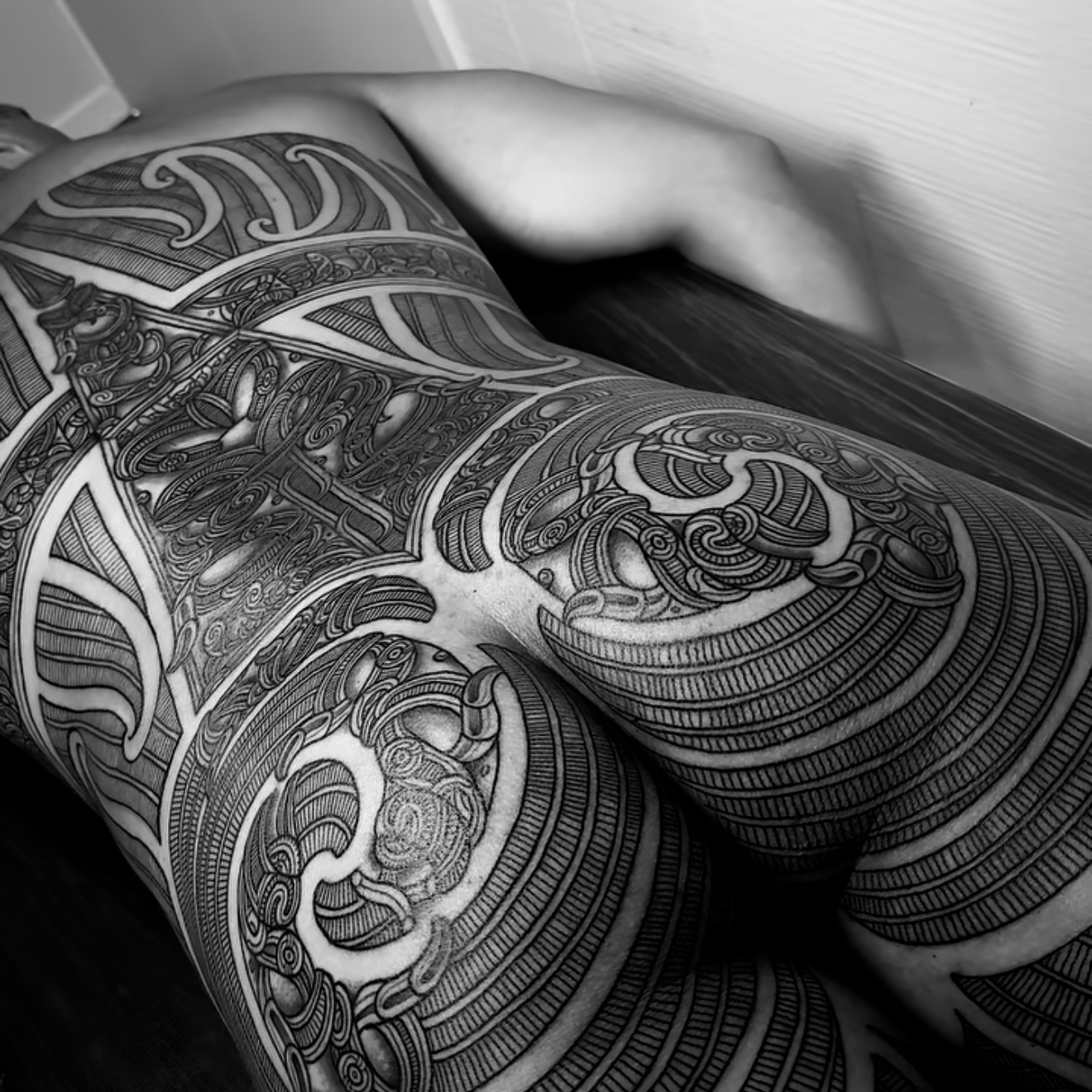
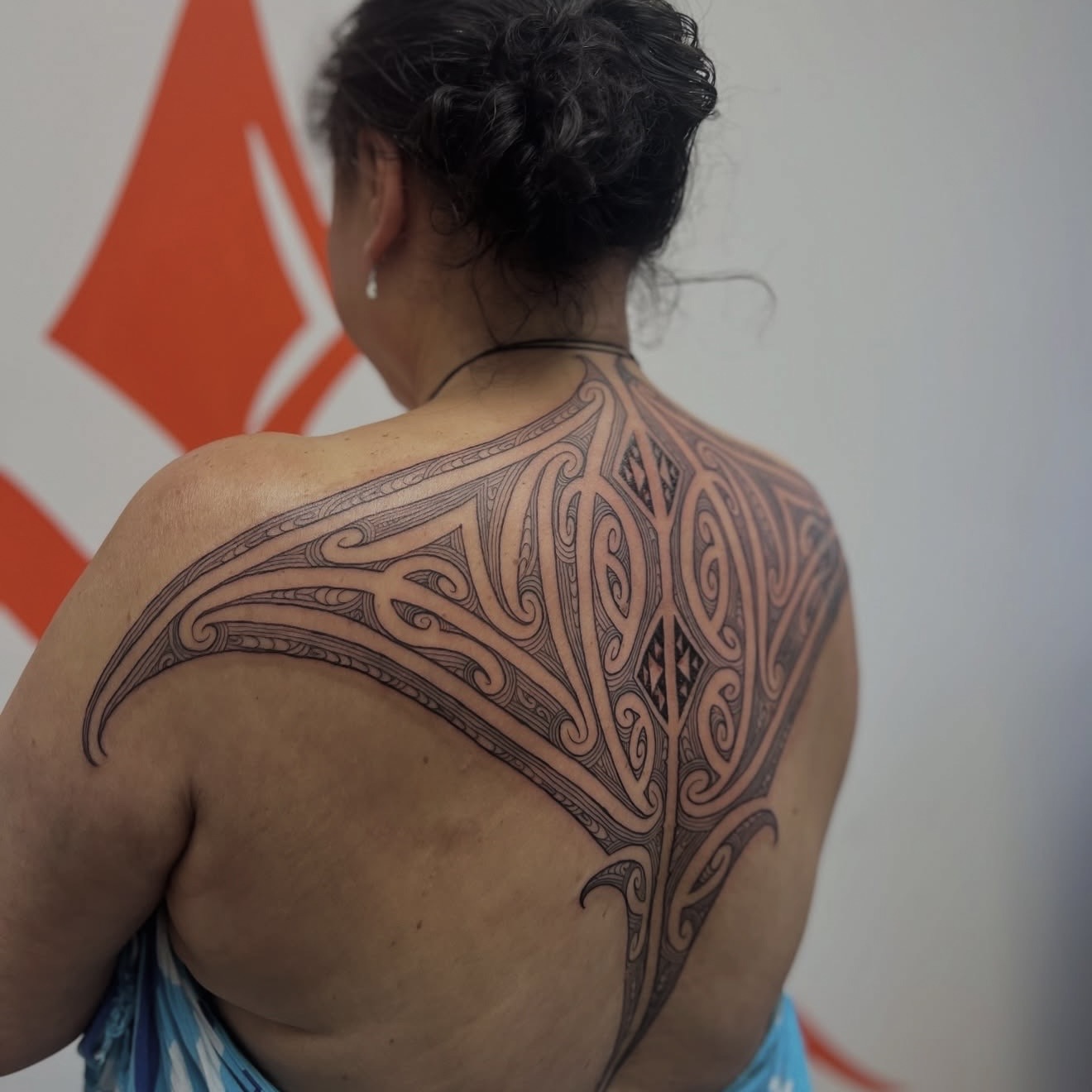
Maori carried the broad Polynesian method of striking a toothed comb (uhi) into the skin with a small mallet, but in the isolation of Aotearoa they developed something distinct. They pioneered narrower untoothed uhi that cut grooves through the skin rather than puncturing it, a process closer to carving than to conventional tattooing and consciously tied to whakairo, wood carving.
In tradition the art was brought from the underworld by Mataora, who learned it from Niwareka's father Uetonga, and the work was done by highly respected tohunga ta moko who were paid in treasures. Facial moko declined after European settlement, but since around 1990 there has been a resurgence of both male facial moko and the moko kauae of women as an expression of cultural identity, alongside a revival of the uhi itself.
Those who carry it forward
The Keepers
10 artists