Batok
Kalinga, PhilippinesEarned in soot and thorn, struck by hand in the mountains.
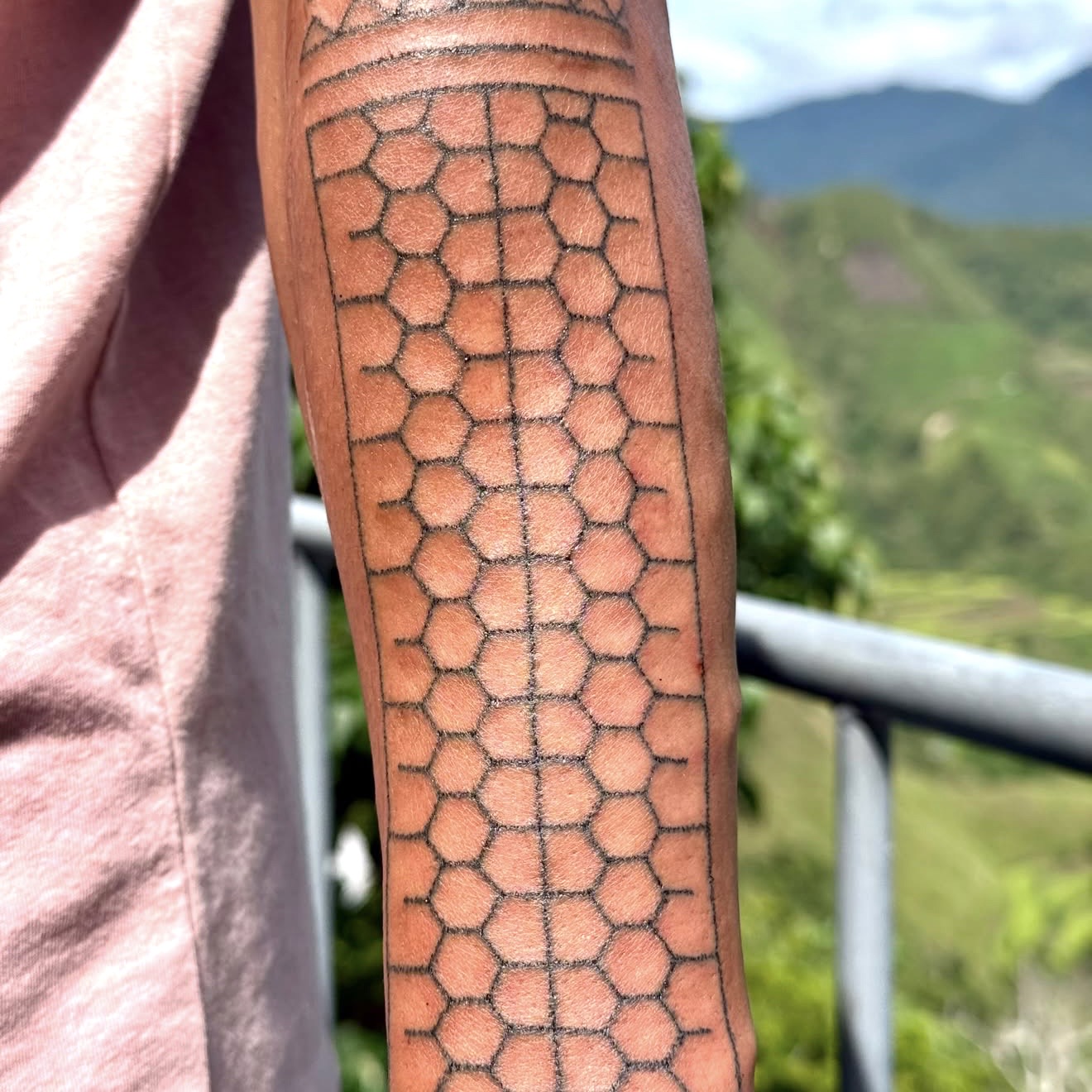
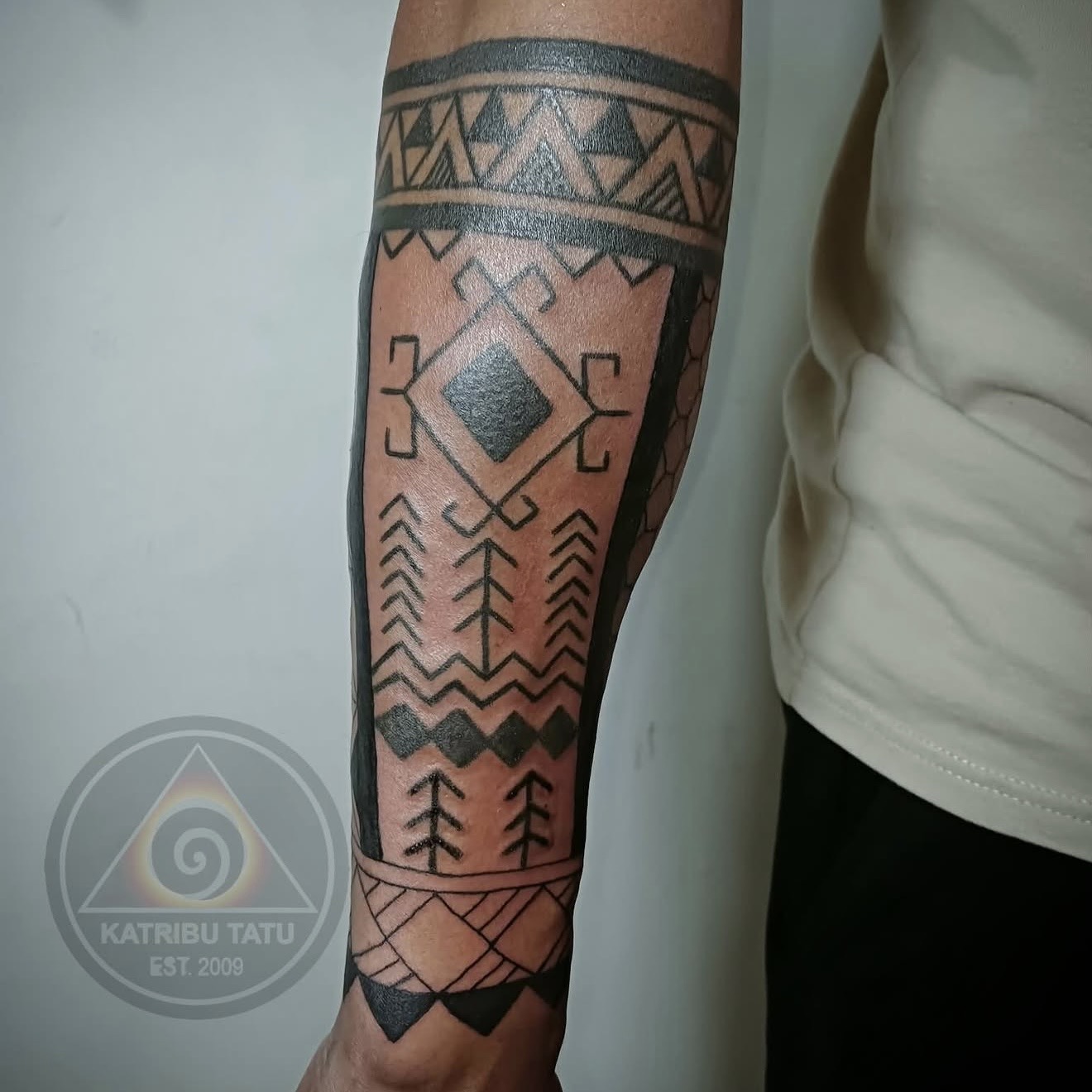
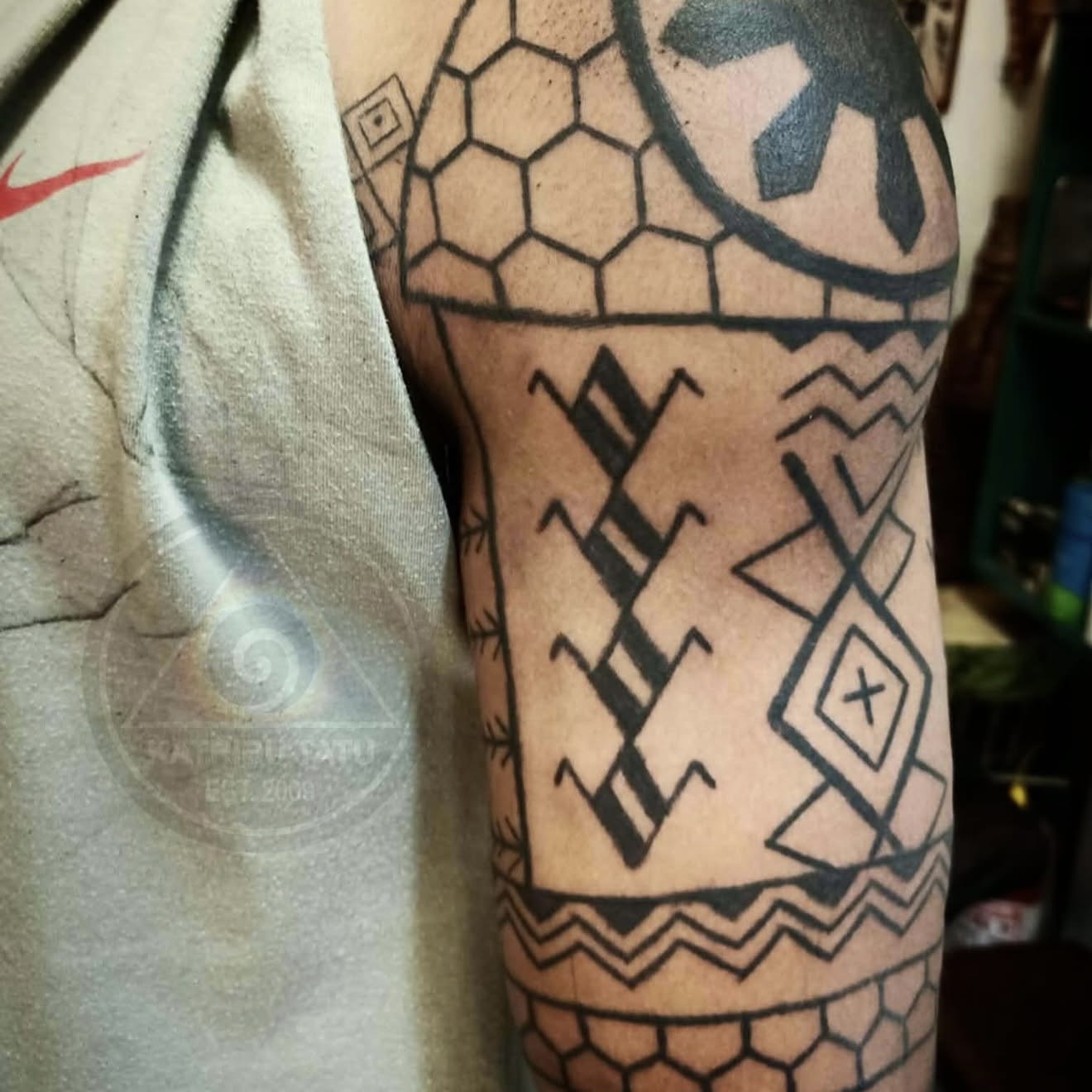
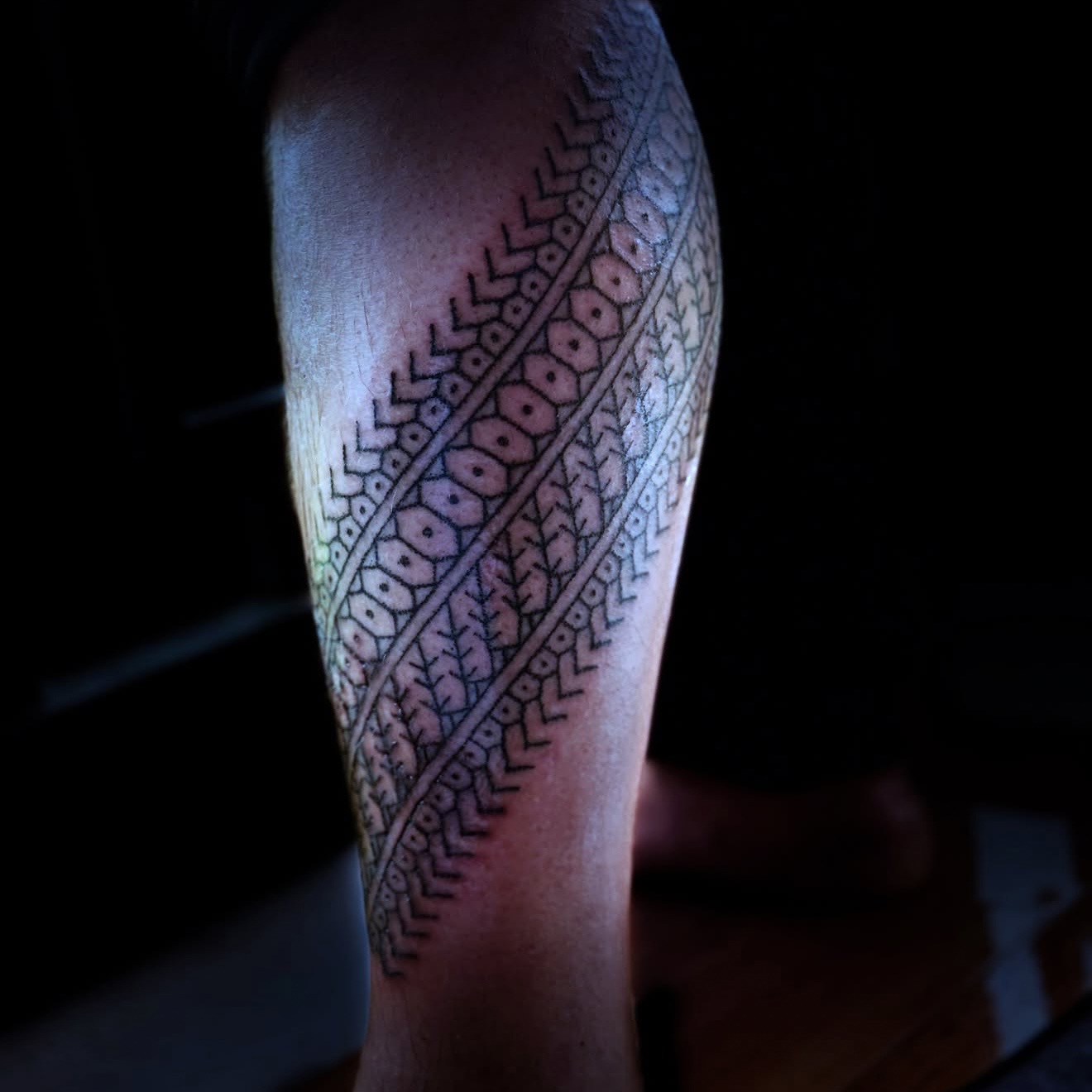
Among the peoples of northern Luzon, batek or batok means to hit or to strike, named for the tek sound of the stick striking during the work. The marks were earned: Kalinga men, who were warriors and headhunters, wore them as symbols of valor, while for women they signified beauty, and they were applied by a specialist called a mambabatok using a thorn, a charcoal and water ink, and continuous hand tapping.
The tradition's global recognition is largely owed to Apo Whang Od of the Butbut Kalinga in Buscalan, brought to wider attention by anthropologist Lars Krutak's 2009 documentary and later a 2023 Vogue Philippines cover. That same visibility has driven tourism that scholars describe as commodifying the practice, expanding access while loosening the marks from their original meanings.
Those who carry it forward
The Keepers
4 artists